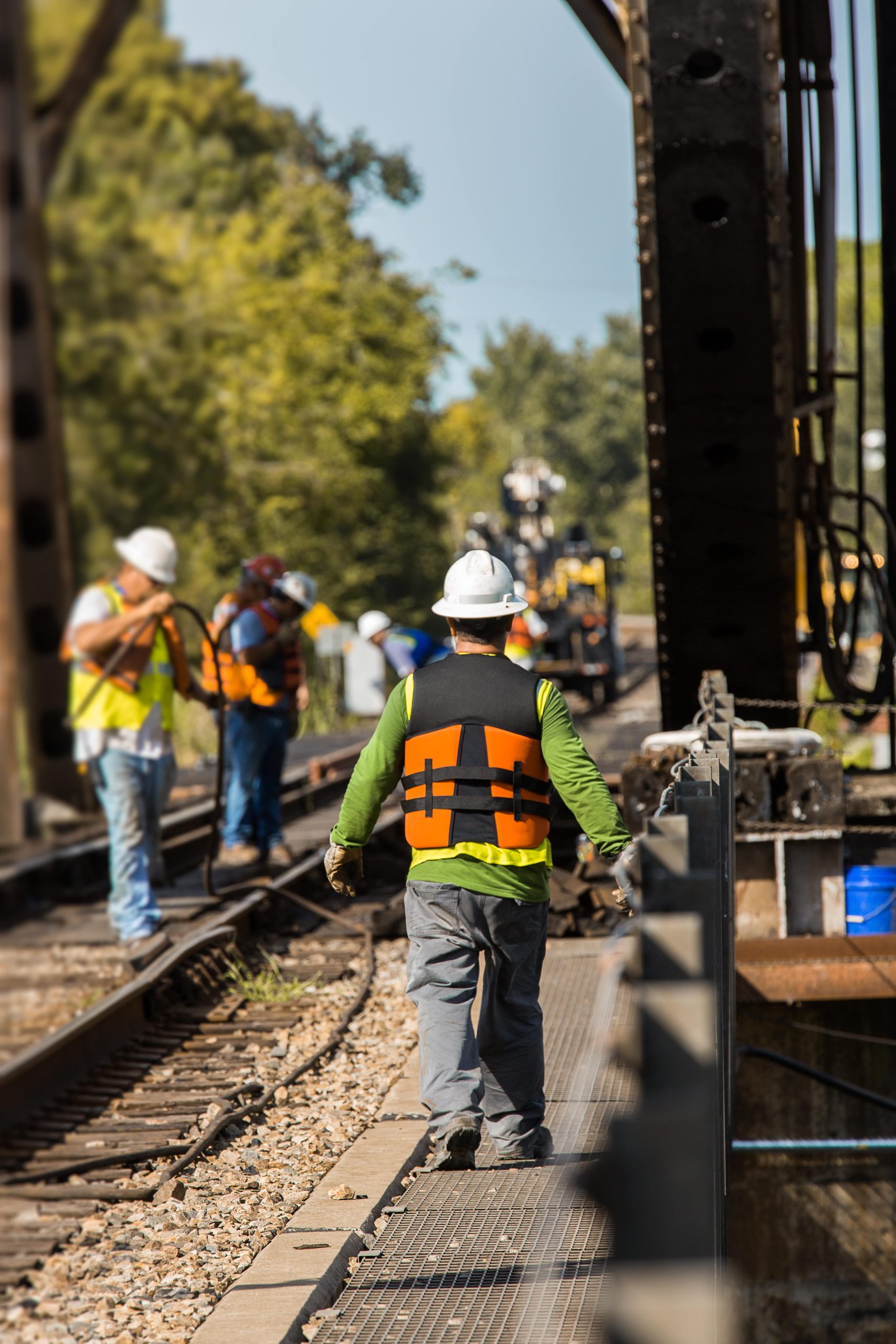
Understanding the Railroad Cancer Lawsuit Process
The after-effects of exposure to hazardous compounds in the railroad industry has actually left lots of former workers seeking justice for their health issues. The term "railroad cancer lawsuit" refers to legal actions taken by workers who have established cancer or other illnesses as an outcome of exposure to hazardous chemicals throughout their work. This article aims to supply a comprehensive summary of the railroad cancer lawsuit process, highlighting important actions, typical difficulties, and often asked concerns.
The Landscape of Railroad Cancer Lawsuits
The railroad industry has a long history of utilizing harmful products, consisting of asbestos, benzene, and diesel exhaust, which have been connected to various types of cancer. Railroad workers, such as engineers, conductors, and maintenance crews, are particularly at danger throughout their daily operations. If a worker develops cancer possibly linked to their task, they may think about filing a lawsuit to look for compensation for their medical expenditures, lost wages, and suffering.
The Legal Framework
Railroad workers are primarily secured by the Federal Employers Liability Act (FELA), which allows them to sue their companies for neglect that leads to injury or illness. Unlike common employee's compensation claims, FELA requires proof that the employer's carelessness directly caused the harm. This intricacy demands a thorough understanding of the legal procedures involved.
Actions in the Railroad Cancer Lawsuit Process
| Action | Description |
|---|---|
| 1. Assessment with an Attorney | Discovering a lawyer experienced in FELA cases is important. Preliminary assessments help in evaluating the case's strength and prospective avenues for claims. |
| 2. Evidence Gathering | Documenting medical history, work records, workplace, and exposure to dangerous substances plays an important role in developing a link in between health problem and work. |
| 3. Submitting the Claim | After gathering all needed evidence, the attorney will sue against the railroad company, describing the information of exposure and medical conditions. |
| 4. Discovery Phase | Both sides gather more proof through depositions, interrogatories, and requests for files to strengthen their particular arguments. |
| 5. Negotiation | The majority of cases settle in the past going to trial. Mesothelioma Railroad Cancer Lawsuit Settlements may work out with the railroad's agents to get here at a reasonable compensation quantity. |
| 6. Trial (if needed) | If settlements stop working, the case continues to trial, where both parties present their arguments before a jury who will determine the outcome. |
| 7. Decision and Appeal | If the jury rules in favor of the complainant, the railroad business may appeal the choice. If the complainant wins, they receive compensation for their losses. |
Detailed Breakdown of Key Steps
1. Consultation with an Attorney
It is important for plaintiffs to speak with a specialized FELA attorney as soon as possible after being detected with cancer. These lawyers understand the complexities of railroad industry policies and the specific health risks associated with various functions.
2. Evidence Gathering
Recording evidence is one of the most vital steps in this process. Crucial files may include:
- Medical records detailing medical diagnoses and treatments.
- Work records indicating task titles and exposure history.
- Witness statements from colleagues concerning hazardous conditions.
3. Filing the Claim
When enough proof has actually been gathered, the attorney will submit an official complaint in the proper court. This document will describe the case's specifics, including the nature of the exposure and its link to the cancer diagnosis.
4. Discovery Phase
The discovery stage is essential for building the case. Throughout discovery, attorneys will exchange information relevant to the lawsuit, which may consist of:
- Testimonies from medical experts.
- Data on chemical exposure levels.
- Business security records.
5. Negotiation
Lots of claims settle through negotiations, which can save time and resources for both celebrations. Settlement conversations typically include an arbitrator who assists facilitate a resolution.
6. Trial
If settlement negotiations stop working, the case proceeds to trial. Here, a jury will hear both sides and figure out obligation and compensation.
7. Decision and Appeal
If the jury guidelines in favor of the plaintiff, they will determine the compensation quantity. Nevertheless, the railroad business might decide to appeal the verdict, lengthening the process.
Common Challenges in Railroad Cancer Lawsuits
While looking for compensation for occupational illnesses, complainants might deal with a number of challenges, consisting of:
- Proving Negligence: Establishing that the employer was negligent can be hard, especially if there are no documented security infractions.
- Statute of Limitations: Placing a limitation on the time within which a lawsuit should be submitted can impede cases, so timely action is necessary.
- Intricacy of Medical Evidence: Linking cancer to specific workplace exposure may need professional testimony and complicated medical descriptions.
Regularly Asked Questions (FAQ)
1. Who is eligible to file a railroad cancer lawsuit?Any railroad employee identified with cancer that can be linked to workplace exposure to hazardous materials might be eligible to file a lawsuit under FELA.
2. The length of time do I have to submit a lawsuit?In a lot of states, there is a three-year statute of limitations from the date of injury or discovery of health problem. It's important to speak with an attorney promptly.
3. What types of compensation can I receive?Compensation may include medical expenditures, lost incomes, pain and suffering, and any future treatment costs associated with the illness.
4. Are there any upfront costs for working with an attorney?Many FELA attorneys work on a contingency cost basis, suggesting they only make money if they win the case. It's necessary to clarify charges in advance.
5. For how long will the process take?The duration of a lawsuit can vary significantly. Some cases may settle in a few months, while others can extend over a number of years, specifically if they go to trial.
Browsing the railroad cancer lawsuit process can be complex and challenging. However, understanding the actions included and seeking guidance from experienced attorneys can considerably improve an individual's possibilities of getting justice. As railroad workers continue to bear the concern of hazardous exposures, these legal pathways play a vital function in securing the compensation they are worthy of.